Preface
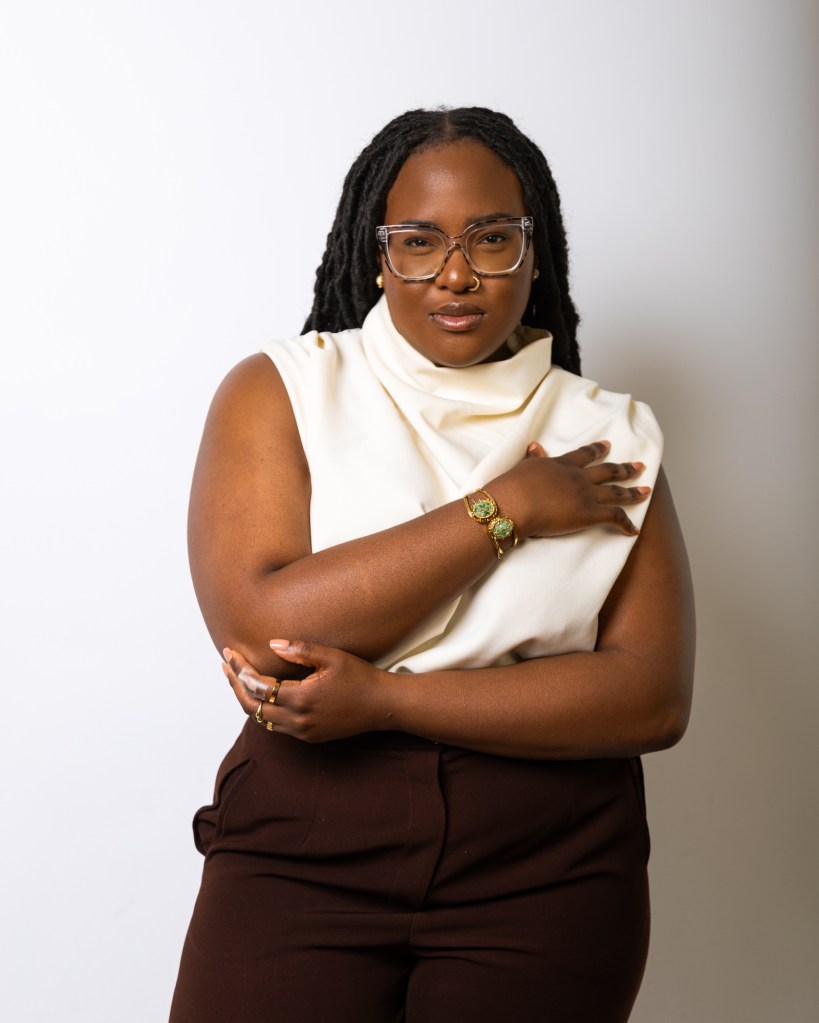
Hey y’all, my name is Kemi Akinsanya. Ever since Grade 10, when I first took Ms. Hunnisett’s creative writing class, I’ve been exploring the world through curiosity, creativity, and a desire to understand people. That class became my space to express myself, take risks, and find my voice—a place I returned to every year through Grade 12.
Since graduating in 2019, I’ve studied accounting and financial analysis at Mount Royal University and now work in banking as a business advisor. Along the way, I’ve learned that life’s challenges are some of our greatest teachers and that finding your own path means listening to yourself, not just following what others expect.
This post shares the lessons and experiences that shaped me, with the hope of helping anyone figure out how to step boldly into their own future.
Childhood Dreams & Early Challenges
When I was little, I dreamed of doing something meaningful—maybe becoming a social worker or therapist—because I believed real change happened when you could help people through their struggles.
But as I grew up, I realized my interests didn’t always align with what others valued—or what my immigrant parents envisioned for my future. I loved writing, English, Social Studies, and even Physical Education—the very subjects my parents didn’t see as “important.”
They were science-and-math traditionalists who believed success only came through careers in law, medicine, or engineering. What I was naturally good at didn’t fit the definition of “success” they grew up with. Slowly, my dreams got smaller as I pushed myself to excel in areas I didn’t love, hoping to live up to expectations.
School was challenging. I often felt like I had to work twice as hard just to keep up. At the time, I didn’t understand that much of my struggle came from emotional baggage I hadn’t processed yet. Personal challenges I didn’t have the language to describe—or the support to handle—were eating away at my confidence. I stopped participating in class, rarely asked questions, and developed a volatile attitude. Most days, my head was in the clouds because deep down, I didn’t trust my own intelligence or believe I was capable of learning the material.
By Grade 12, I was exhausted. My grades were low, my motivation was gone, and anxiety and depression weighed heavily on me. When it came time to choose a university program, I didn’t have the mental space to dream about what I truly wanted.
My parents gave me two options: nursing or business. My low chemistry grades quickly ruled out nursing, so business school it was—even though I had no idea what I really wanted for myself.
The Turning Point: Making My Own Decisions
University started out smoothly because I had spent so many years in survival mode that I was used to working hard. But by the second year, reality hit—especially when my parents pushed me toward an accounting major.
The problem? I hated it. And it seemed to hate me back.
No matter how much effort I put in, I couldn’t see myself doing it long-term. That’s when I realized: I can’t spend my life working this hard for something I don’t even enjoy.
So, I made the first big adult decision of my life: I switched my major to finance.
I remember sitting in the advisor’s office, finally admitting how much I was struggling. She told me that if I was ever going to switch majors, this was the moment—I had just enough credits to get a minor in accounting and still graduate on time. I took her advice, made the leap, and for the first time, the decision truly felt like mine.
My parents were beyond upset. I knew there would be lectures, tension, and disappointment—but I also knew I couldn’t keep living someone else’s dream. Making this decision isolated me from my parents, and our relationship changed in several ways.
But this moment lit a fire in me. If I was going to do this, I was going to do it well. I threw myself into classes, internships, networking—every opportunity I could find. I refused to leave any stone unturned.
Over time, my parents began to respect my determination and trust my ability to make my own choices. That shift marked the moment I started stepping into young adulthood and claiming my freedom. Their expectations had given me discipline and ambition, but I had to learn how to balance those with my own voice.
And that’s when I learned one of the biggest lessons of my life:
Sometimes the scariest, most painful decisions are the ones that give you the freedom to succeed on your own terms.
Lessons from the Corporate World
One of my internships was at a big accounting firm—the dream for many business students. Suddenly, I was living the downtown corporate life: drinks after work, holiday parties, free hockey and concert tickets, corporate perks—the whole thing.
But behind the glamour, I realized something important: this life wasn’t for me.
The long hours, the instability, the limited acknowledgment —it all took a toll. The lifestyle looked exciting from the outside, but inside, it left me unfulfilled.
And yet, that experience was one of the most valuable parts of my journey. It taught me:
● The corporate world moves fast and waits for no one.
● You have to advocate for yourself—no one else will do it for you.
● Opportunities don’t fall into your lap—you have to chase them.
● Success has to be defined by you—not by your parents, your peers, or society.
I even made a pros-and-cons list of everything I experienced in that job—what fueled me, what drained me, what values mattered most. That list became my guide when choosing future opportunities—a reminder that disappointment isn’t the end, but often the beginning of self-discovery. That reflection gave me clarity. It showed me not just what I didn’t want, but what I truly needed in order to thrive. It became the bridge between an unfulfilling path and the work I get to do now.
Today, I work as a business advisor in the banking sector. In this role, I thrive in building real relationships, supporting entrepreneurs’ dreams, creating long-term impact, and feeling a sense of balance. The difference isn’t just in the hours I keep—it’s in the purpose I feel.
The truth is…sometimes the things that disappoint you, point you toward the life you actually want.
The Power of Knowing Thyself
This past year, I’ve coined my “growth year.” Life threw challenges my way, each one forcing me to meet a new version of myself. Hardship forced me to question my values and who I truly am at my core.
Here’s the biggest lesson I’ve learned: emotional depth is not weakness.
I used to see my sensitivity, empathy, kindness and passion as flaws. Now, I see them as strengths that shape how I speak, lead, and show up in the world. My softness, depth and authenticity are forming my identity as a young woman, and I am finding the more I drive with these attributes, the better human being I am becoming.
I often see this with my clients; they feel the most supported and seen when I seek to understand and see them beyond what they do, but what is important to them on a human level. This has led to the best client connections and relationships.
The earlier you learn who you truly are—beyond your parents’ expectations, beyond what society says—the better decisions you can make for your future. The better leader, friend, and advocate you become for yourself and others.
Self-awareness is your greatest asset.
Advice to My Younger Self
If I could speak to my younger self, here’s what I’d say:
● You are exactly where you’re supposed to be.
● Don’t shrink yourself to fit into someone else’s idea of success.
● Your voice has weight. Your presence has meaning.
● You deserve happiness—it’s not something you have to earn.
● Your kind heart is a gift. Protect it, but never hide it.
● Life doesn’t just happen to you—you get to happen to life.
● Be bold.
● Perfection isn’t the goal—growth is. When things don’t work out, it doesn’t diminish your value; it simply means there’s another path—and another lesson—shaping the strongest version of you.
And most importantly, as Michelle Obama once said:
“Push back against thinking small.”
Your dreams are allowed to grow as big as you dare to make them.
As for what’s next—I don’t have it all mapped out, and that’s the beauty of it. I dream of continuing to grow, maybe one day leading teams, mentoring others, or even blending finance with creativity in new ways.
The point is, the future isn’t a finish line—it’s an open road.
Closing Remarks
Looking back, I realize success was never about the grades, the prestige, or the path my parents wanted for me. It was about courage—the courage to choose my own direction, to fail forward, to learn who I am, and to lead my life with intention.
To every high school student (or adult) reading this:
You don’t have to have it all figured out right now. What matters is learning to listen to yourself, to try things boldly, to make mistakes, and to pivot when you need to. Your path might not look like anyone else’s—and that’s the point.
One day, you’ll thank yourself for having the courage to build a life that truly feels like yours.


 The Road Taken: Career Journeys
Leave a comment